300mm Flange Specifications and Common Applications
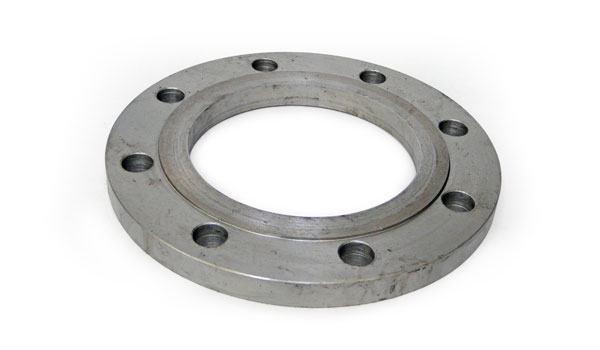
In industrial pipework systems, flange size and specifications play a critical role in safety, performance and long-term reliability. Among the larger sizes, the 300mm flange is widely used across UK industries where high flow rates and robust connections are required.
This guide provides a size specific overview of the 300mm flange standards, pressure ratings, dimensions and materials; along with common applications and sourcing considerations for UK projects.
What Is a 300mm Flange?
A 300mm flange refers to a flange designed to connect pipework with a nominal bore of 300mm. Rather than measuring the exact internal diameter, the nominal size ensures compatibility between pipes, valves and fittings manufactured to the same standard.
300mm flanges are available in several common types, including:
- Weld neck flanges
- Slip on flanges
- Blind flanges
- Plate flanges
Each type is suited to different pressure requirements, installation methods and maintenance needs, but all share the same nominal size classification.
300mm Flange Standards Explained
In the UK and across Europe, the most common standard for 300mm flanges is EN 1092-1. This standard defines:
- Flange dimensions
- Bolt hole sizes and quantities
- Pressure ratings
- Material grades
Using standardised flanges ensures full interchangeability between components, reduces installation issues and maintains compliance with UK and EU regulations. While ANSI flanges are used in some international projects, EN 1092-1 remains the preferred choice for most UK installations.
Understanding 300mm flange weight and standards is particularly important when planning lifting, support and alignment on larger pipework systems.
Pressure Ratings for 300mm Flanges
Pressure ratings indicate the maximum pressure a flange can safely withstand at a defined temperature. Common pressure ratings for 300mm flanges include PN10, PN16, PN25 and PN40.
300mm PN16 Flange
The 300mm PN16 flange is one of the most frequently specified options in the UK. It is designed to handle pressures up to 16 bar at ambient temperatures and is commonly used in:
- Water treatment facilities
- Industrial process pipework
- HVAC and district heating systems
Actual pressure performance may vary depending on temperature, material selection, gasket type and bolt torque, so correct specification is essential.
300mm Flange Dimensions and Weight
Accurate 300mm flange dimensions are vital for ensuring compatibility with existing pipework and connected equipment. Key dimensional features include:
- Outside diameter
- Bolt circle diameter
- Number and diameter of bolt holes
- Flange thickness
Flange weight increases significantly with size and pressure rating. A DN300 flange can be heavy, particularly in higher PN classes or when manufactured from stainless steel. Understanding 300mm flange weight and standards helps engineers plan for safe handling, appropriate supports and correct installation procedures.
Materials Used for 300mm Flanges
Material selection depends on operating conditions, media, temperature and environmental exposure.
Carbon Steel
Carbon steel 300mm flanges are widely used due to their strength, durability and cost effectiveness. They are suitable for many non-corrosive industrial applications.
Stainless Steel
A stainless steel 300mm flange is typically chosen for corrosive environments, hygienic or clean process systems and outdoor or coastal environments.
Grades such as 304 and 316 stainless steel offer excellent corrosion resistance and extended service life, making them ideal for demanding applications despite higher initial cost.
Common Applications for 300mm Flanges
Due to their size and strength, 300mm flanges are commonly found in large scale industrial and infrastructure projects, including:
- Water and wastewater treatment plants
- Oil, gas and petrochemical facilities
- Power generation and energy infrastructure
- Industrial manufacturing and processing plants
- HVAC and district heating networks
Their ability to provide a strong, removable connection makes them ideal for systems requiring inspection, maintenance or future expansion.
Installation and Handling Considerations
Installing a 300mm flange requires careful planning due to its size and weight. Key considerations include:
- Correct bolt grade and tightening sequence
- Suitable gasket selection for the application
- Accurate alignment to avoid uneven stress
- Safe lifting and handling procedures
Following manufacturer and standard guidelines helps prevent leaks, flange damage and premature failure.
Choosing a 300mm Flange UK Supplier
Sourcing from a reputable 300mm flange UK supplier offers several advantages, including:
- Compliance with EN 1092-1 standards
- Faster lead times and local availability
- Full material traceability and certification
- Technical support for correct specification
A reliable UK supplier ensures confidence in quality, safety and long-term performance for critical pipework systems.
FAQs
What does a 300mm flange refer to?
It refers to the nominal bore size of the pipe the flange is designed to connect, not the exact internal diameter.
What is the most common pressure rating for a 300mm flange in the UK?
The 300mm PN16 flange is widely used across water, HVAC and industrial pipework systems.
Are 300mm flange dimensions the same across all standards?
No. Dimensions vary between standards such as EN 1092-1 and ANSI, so compatibility must always be checked.
How much does a 300mm flange weigh?
300mm flange weight depends on pressure rating and material, with stainless steel flanges typically heavier than carbon steel equivalents.
When should I choose a stainless steel 300mm flange?
A stainless steel 300mm flange is ideal for corrosive environments, hygienic systems or applications requiring extended service life.
Not sure which 300mm flange specification is right for your system? Speak to our team for expert guidance on pressure ratings, materials and standards and we’ll help you source the right solution quickly and efficiently.
 Proud to be a UK manufacturer